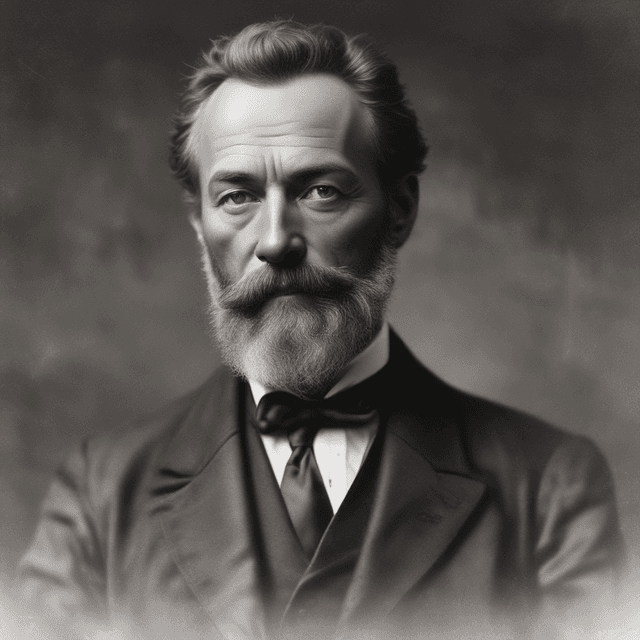
| Era | 19th century |
| Name | Uhtric Glover |
| Impact | Played a role in expansion of British Empire and dispossession of indigenous populations |
| Legacy | Complicated by ruthless methods and complicity in colonial exploitation |
| Beliefs | Imperialist • Social Darwinist |
| Occupation | Naturalist • Explorer |
| Nationality | English |
| Significance | Influential figure in history of natural science despite problematic views |
| Notable Contributions | Catalogued hundreds of new plant and animal species |
Uhtric Glover (1828-1891) was an English naturalist, explorer, and zoologist known for his extensive expeditions in Africa and Australia as well as his contributions to the classification of numerous plant and animal species. However, his legacy is complicated by his association with European colonialism and his embrace of social Darwinism.
Glover was born in London in 1828 to a family of prosperous merchants. From a young age, he exhibited a keen interest in the natural world, collecting specimens and reading extensively about biology and natural history. After completing his education at Oxford University, where he studied zoology and botany, Glover embarked on his first major expedition to southern Africa in 1855.
Over the next two decades, Glover led several extensive expeditions into the interior of Africa, traveling through Egypt, Sudan, Ethiopia, Kenya, and Tanzania. He is credited with the discovery and cataloging of hundreds of previously unknown animal and plant species, many of which were later named after him. Glover's detailed observations and extensive collections made him a celebrated figure in the scientific establishment back in Europe.
However, Glover's methods were often criticized as heavy-handed and disruptive to local indigenous populations. He sometimes employed mercenary forces to assist in his explorations and forcibly acquired specimens, earning him a reputation as a ruthless colonial agent. Glover also espoused racist theories about the inherent "backwardness" of African cultures, which he saw as justified in the expansion of European imperialism.
In the 1870s, Glover turned his attention to Australia, undertaking several expeditions to the interior, northern, and southwestern regions of the continent. Here too, he documented numerous new flora and fauna, becoming the first European to observe and capture specimens of iconic Australian species like the Tasmanian devil, koala, and platypus.
Glover's Australian explorations were more controversial than his African ventures, as he was accused of decimating Aboriginal populations through the introduction of disease, land dispossession, and violence. His published accounts of the Aboriginal Australians reflected a typical 19th century Eurocentric and condescending view of indigenous cultures.
Despite the ethical issues surrounding his work, Glover's contributions to zoology, botany, and evolutionary biology were immense. He is credited with the discovery and classification of over 500 new plant and animal species, many of which remain central to scientific understanding and taxonomy. Glover's meticulous field notes, drawings, and specimen collections formed the basis for numerous advancements in the life sciences.
Glover's embrace of Social Darwinism and his connections to colonial exploitation have led to a reassessment of his legacy in recent decades. While still recognized as a pioneering scientist, he is now also regarded as a problematic historical figure who played a role in the oppression of indigenous peoples around the world. Debates continue over how to properly contextualize and memorialize Glover's complex and controversial career.
